
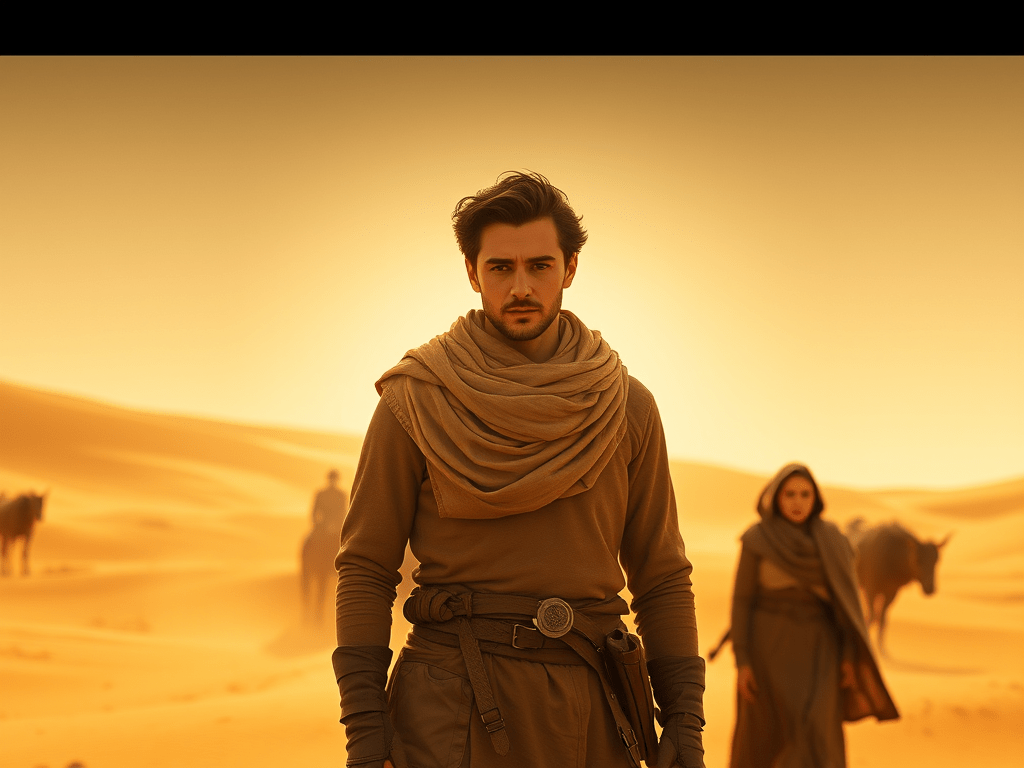
If you’re like me, the long-awaited Dune: Part Two had you eagerly flipping through your calendar, counting down the days to see how the epic saga would continue. Based on Frank Herbert’s science fiction masterpiece, the film pulls us deeper into the desert world of Arrakis—a world that’s more than just sand and spice. It’s a world that explores power, destiny, and the cost of greatness. But as with many great stories, Dune: Part Two isn’t just about grand battles and political intrigue—it’s about family, faith, and finding your true purpose, all of which resonate deeply with the values we hold dear.
Family: The Heart of the Story
One of the strongest elements of Dune: Part Two is the theme of family. Paul Atreides (played by Timothée Chalamet) continues his journey, navigating not only his own destiny but also the complex relationships with his mother, Jessica (Rebecca Ferguson), and his sister, Alia. Their familial bonds are put to the test as they face overwhelming forces, but at the core of it all is a shared love and duty that transcends power struggles.
For anyone who’s ever juggled the chaos of family life—whether it’s the unbreakable bond of mothers and sons or the sacrifices made for the greater good—Dune speaks directly to our experience. It’s not just about what you inherit, but how you choose to use your gifts for those you love. The Atreides family shows us that real strength often comes from our connections, and the choices we make impact not just our futures, but the futures of those we hold closest.
Faith: Navigating the Sands of Destiny
For many of us, faith isn’t just about belief—it’s about navigating life’s uncertainties with a sense of purpose. In Dune: Part Two, Paul’s struggle isn’t just external; it’s internal. As he grapples with his destiny as the Kwisatz Haderach, the messianic figure foretold to bring balance to the universe, his journey feels like a profound reflection on the burden of faith and prophecy.
Faith, much like the sandworms of Arrakis, can seem both powerful and unpredictable. We see Paul wrestling with his role in this grand story—trying to understand the weight of his calling while staying true to himself and his family. It’s a theme that resonates deeply, especially for those of us who live out our faith in a world that often feels overwhelming and chaotic. In moments of doubt and confusion, Dune reminds us that faith is not just about understanding everything, but about trusting in the path, even when it’s unclear.
Food and Culture: Spice, Family Feasts, and Shared Traditions
Now, let’s talk about food! Though Dune: Part Two may not have as many dinner table scenes as we’d like, the themes of food and culture are deeply embedded in the story. The spice melange, central to the plot, isn’t just a commodity—it’s a symbol of life, power, and even the sustaining force of culture itself.
Food has always been more than sustenance. It’s a way to bring people together, to share in tradition, and to pass down stories. In the same way, the spice represents not only the foundation of Arrakis’ economy but also the shared history of the Fremen people. They too are bound by their culture—by the rituals, practices, and communal bonds that define them.
If you think about it, the Fremen’s struggle is akin to any family or community fighting to preserve their culture in the face of external pressures. Whether it’s through the rituals of sharing meals or the passing down of traditions, the essence of what makes a culture unique is preserved through collective effort. And much like the families in our own lives, the Fremen stand firm in their values and what they believe is worth fighting for.
The Power of Choice: Shaping Our Future
At its heart, Dune: Part Two is about choice—the choice to embrace or reject one’s destiny, the choice to fight for family and faith, and the choice to make a difference in the world. For anyone navigating the chaos of parenthood, relationships, or community life, this theme will hit home. We may not have the weight of the universe on our shoulders, but we all face decisions that shape not just our own futures, but the futures of those around us.
As Paul contemplates the many possible outcomes of his actions, we’re reminded that our choices—however small or grand—are the threads that weave the fabric of our futures. The film reminds us that even in a world of uncertainty, we are empowered to make choices that align with our values, shape our families, and contribute to the larger community.
A Family-Friendly Film for All Ages
Dune: Part Two is a cinematic masterpiece that blends action, philosophy, and family dynamics in a way that speaks to people from all walks of life. Whether you’re a parent looking for a film with deeper meaning, a foodie who loves exploring culture through cinema, or someone seeking a story about faith, family, and choice, this film offers something for everyone.
If there’s one takeaway from Dune: Part Two, it’s this: we are all shaping our futures. As we navigate the twists and turns of life—whether it’s raising children, growing in our faith, or working to preserve our culture—we have the power to make choices that not only shape our own destinies but also the futures of those we love.
What did you think of Dune: Part Two?
Was there a moment that resonated with you or made you think about your own family and faith journey? Drop a comment below and let’s continue the conversation!

 Pop Banter