
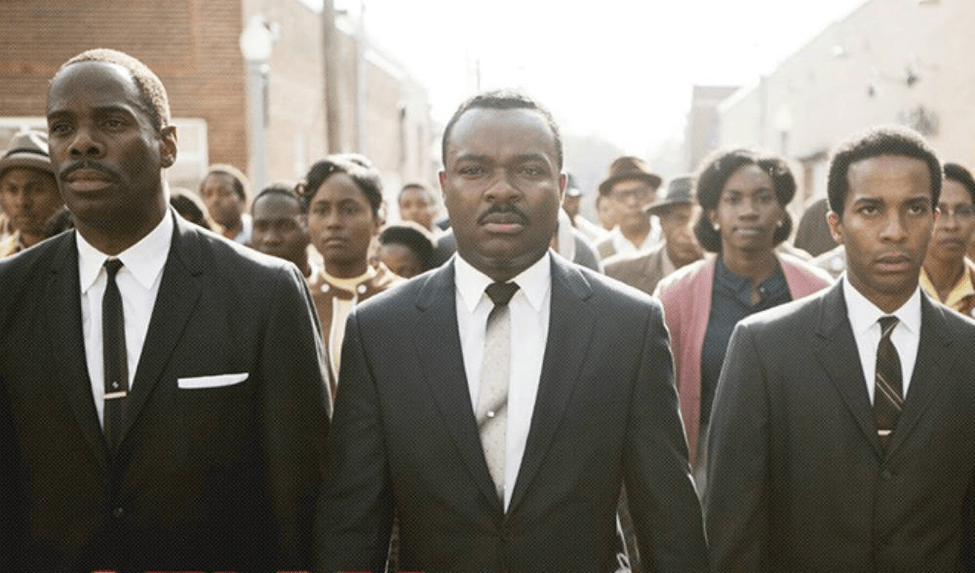
After over six decades, there’s still plenty of things to analyze from the life and work of Dr. Martin Luther King, Jr. What’s more, every year we seem to discover (or sometimes rediscover) more surprising facts, not just about his legacy, but the body of work surrounding it. Back in 2014, Ava DuVernay brought to audiences the story of the Selma to Montgomery Marches through the film, Selma. Selma chronicles the tale of King’s visit to Alabama to launch a coordination between the Southern Christian Leadership Center (SCLC) and Student Nonviolent Coordinating Committee (SNCC). The goal was to demonstrate–through nonviolent protest–direct action against voter suppression in the segregationist south.
What the film artfully accomplishes is capturing both the emotional tension between leaders of the era as well as the nuance between competing strategies and ideologies toward civic action. But the film doesn’t make mention of another important event that took place several hours north of Montgomery just a few years prior to the marches. In King’s Letter From A Birmingham Jail, he writes an open letter to fellow clergymen from a city jail after one of his many arrests. In the letter, King appeals to a sense of justice in understanding the need for civil disobedience. And in doing so, he outlines the steps necessary to accomplish any meaningful change in society. According to King, there are four key stages:
“In any nonviolent campaign there are four basic steps: collection of the facts to determine whether injustices exist; negotiation; self purification; and direct action.”
MLK
Here’s how the movie Selma depicts each of these four steps:
- Collect the facts: Leaders from SCLC collect the facts about the situation in Selma before deciding to take action.
The first act shows the plight of Annie Lee Cooper (Oprah Winfrey), a local black woman seeking to exercise her right to vote, only to be repeatedly blocked by the registrar. The SCLC learns of instances like this through gathering information about voter suppression within Dallas County. They then join forces with local activists and organizations, including the Student Nonviolent Coordinating Committee (SNCC) and the Dallas County Voters League, to initiate the Selma Voting Rights Movement.
- Negotiation: King leverages the brutality of voter suppression to draw attention back to passing the Voter Rights Act.
When King (David Oyelowo) first meets with President Lyndon B. Johnson (Tom Wilkinson), the president initially dismisses King’s concerns about voter suppression, citing that he has other critical agenda items on which to follow through. But King is eventually able to get Johnson to move on voter rights enforcement by shining a light on the brutality happening in places like Selma. The “Bloody Sunday” scene depicts such violence as broadcast on national television. Surely Johnson wanted to quell any hints of civil unrest to show that he things under control.
- Self-Purification: King decides to delay the march to practice reflection and family time.
It’s hard to know exactly what was King’s frame of mind in deciding to delay the march a second time. But what’s clear is that King had a desire to be careful and measured in his approaches. He knew that Governor George Wallace was fiercely segregationist, and that law enforcement would readily resort to violence if agitated. Many participants–both black and white–had to understand that their involvement could mean beatings, imprisonment, or even death. These are things that King and others had to weigh carefully. At each instance, they had to discern when the time for strategic action presented the best possible outcome.
- Direct Action: King finally leads the march from Selma to Montgomery to rally the call to justice.
Having sought clarity through meditation and prayer, King ultimately decides to lead the 54 mile march from Selma to Montgomery to help stir action from the president and congress. This move proves successful as President Johnson eventually signs the Voting Rights Act into law later that year. This landmark legislation would serve as crucial to securing voter rights by prohibiting racial discrimination as outlined in the fourteenth and fifteenth amendments to the constitution.
The collective efforts of the SCLC and other civil rights organizations in Selma significantly contributed to the national momentum for voting rights reform. And every year since, we as citizens get to rediscover the meaning of civil disobedience in bringing about enduring social change.




 Pop Banter